




Old Alluvium

Old Alluvium
Old Alluvium
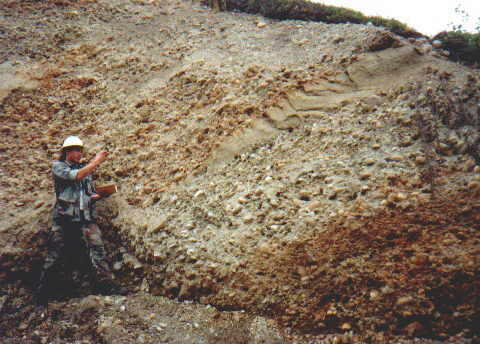
Old alluvium soil, also known as mature alluvial soil, is a type of soil that is formed through the process of weathering and erosion of parent rock materials, followed by sedimentation and deposition by rivers or streams over an extended period of time. This process results in the formation of fertile soil with unique characteristics that make it suitable for various agricultural and ecological applications.One of the defining characteristics of old alluvium soil is its composition. It is typically rich in organic matter, minerals, and nutrients, which are essential for plant growth. The high organic matter content helps improve soil fertility, water retention, and drainage, making it ideal for agriculture. Old alluvium soil also has a well-developed soil structure with good porosity, allowing for proper aeration and root penetration. This type of soil is usually deep and well-drained, allowing plant roots to grow deep and access nutrients and moisture from lower soil layers.The texture of old alluvium soil can vary depending on the parent rock materials and the depositional process. It can range from sandy to clayey, with intermediate textures such as loamy or silty. This diversity in texture provides different opportunities for various types of crop cultivation. For instance, sandy alluvial soils are suitable for crops that prefer well-drained conditions, such as vegetables and fruit trees, while clayey alluvial soils are ideal for crops that require good water retention, such as rice and sugarcane.Another important characteristic of old alluvium soil is its fertility. Over time, the deposition of sediments by rivers and streams accumulates minerals and nutrients, making the soil highly fertile. This makes old alluvium soil ideal for agricultural purposes, supporting a wide range of crops with good yields.In addition to agriculture, old alluvium soil also has ecological importance. It serves as a habitat for a diverse range of flora and fauna, including various types of plants, insects, and microorganisms. The high organic matter content and well-developed soil structure of old alluvium soil provide an ideal environment for soil biota, which play a crucial role in nutrient cycling and ecosystem stability.In terms of uses, old alluvium soil is primarily utilized for agricultural activities, including crop cultivation, horticulture, and plantation forestry. Farmers often prefer to cultivate crops on old alluvium soil due to its high fertility and good soil structure. It is also used for reforestation and ecological restoration projects to promote biodiversity and ecosystem resilience. Additionally, old alluvium soil is used in landscaping and gardening due to its favorable characteristics, such as good water retention and drainage.In conclusion, old alluvium soil is a valuable type of soil that is formed through the process of weathering, erosion, sedimentation, and deposition by rivers or streams over time. Its unique characteristics, such as high fertility, well-developed soil structure, and good water retention and drainage, make it suitable for various agricultural and ecological applications. It is widely used for crop cultivation, reforestation, ecological restoration, and landscaping, contributing to sustainable agriculture and ecosystem conservation efforts.
Bukit Timah Granite
Bukit Timah Granite
Bukit Timah Granite
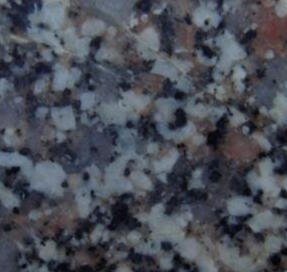
A type of soil that is derived from the weathering of granite rocks in the Bukit Timah Nature Reserve in Singapore. It has several distinct characteristics that make it unique and ecologically significant.One of the main characteristics of Bukit Timah Granite Soil is its coarse texture. The soil is typically sandy or sandy loam, with a relatively low clay content. This coarse texture allows for good drainage and high permeability, which prevents waterlogging and allows excess water to drain quickly from the soil. This is particularly important in a tropical rainforest ecosystem like Bukit Timah Nature Reserve, where heavy rainfall is common. The well-drained nature of the soil helps to support a wide range of plant species that are adapted to these conditions.Another notable characteristic of Bukit Timah Granite Soil is its low fertility. The granite rocks that form the parent material of the soil are relatively low in nutrients, and the soil lacks the organic matter typically found in more fertile soils. As a result, the nutrient availability in Bukit Timah Granite Soil is limited, and plants that thrive in this soil have adapted to low-nutrient conditions. This results in a unique plant community that is well-suited to the nutrient-poor soil.The acidic nature of Bukit Timah Granite Soil is also a significant characteristic. The granite rocks contain minerals that are acidic in nature, which contributes to the soil's acidity. The pH of Bukit Timah Granite Soil typically ranges from 4 to 6, which is considered acidic. This acidity can affect the availability of nutrients in the soil, as well as the types of plants that can grow in the area. Many plant species that are well-adapted to Bukit Timah Granite Soil have evolved mechanisms to tolerate the acidic conditions, such as specialized root systems or symbiotic relationships with mycorrhizal fungi.The combination of coarse texture, low fertility, and acidity in Bukit Timah Granite Soil creates a unique environment that supports a specialized range of flora and fauna. The plant species that thrive in this soil are typically adapted to low-nutrient conditions and are well-suited to the sandy and acidic nature of the soil. This includes tall dipterocarp trees, mosses, ferns, and orchids, among others. These plant species, in turn, provide habitat and food sources for a diverse range of fauna, including insects, spiders, small mammals, and birds.The conservation of Bukit Timah Granite Soil is crucial for the preservation of the unique plant and animal communities that are adapted to its specific characteristics. The specialized ecosystem supported by this soil contributes to the overall biodiversity and ecological richness of the Bukit Timah Nature Reserve, which is considered a critical area of primary rainforest in Southeast Asia. The preservation of Bukit Timah Granite Soil is, therefore, essential for maintaining the ecological balance and sustainability of the Bukit Timah Nature Reserve and its surrounding ecosystem.In conclusion, Bukit Timah Granite Soil is a unique type of soil that is characterized by its coarse texture, low fertility, and acidic nature. These characteristics create a specialized environment that supports a unique range of flora and fauna in the Bukit Timah Nature Reserve. The conservation of this soil is crucial for the preservation of the biodiversity and ecological integrity of the area, and efforts to protect and sustainably manage this unique soil are vital for the overall conservation and sustainability of the Bukit Timah Nature Reserve and its surrounding ecosystem.
Peaty Clay

Peaty Clay
Peaty Clay
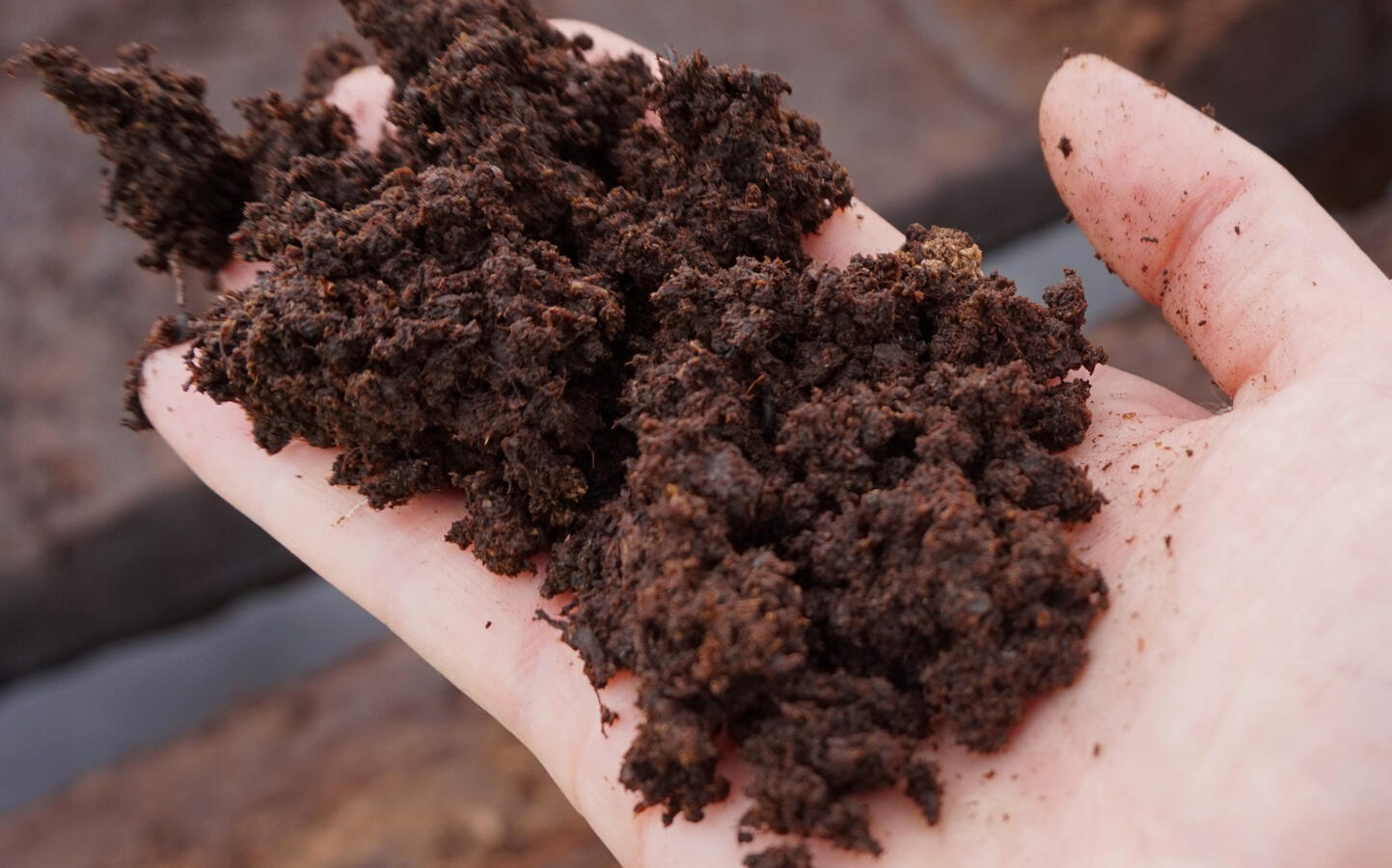
A type of soil that is formed from decomposed organic matter, such as plant material and other organic debris. It is typically found in wetland areas, such as swamps and bogs, and is characterized by its high organic content.
One of the main characteristics of peaty organic clay is its high water-holding capacity. The organic matter in the soil acts like a sponge, absorbing and retaining water. This makes it an important habitat for wetland species and can help to mitigate flooding and water pollution. However, this also means that the soil has a low load-bearing capacity and can be easily compressed, which can cause structural damage.Peaty organic clay is also a rich source of nutrients and can be used to improve the fertility of other soils. However, it is prone to subsidence and can emit methane, a potent greenhouse gas, during decomposition.Peaty organic clay's high water-holding capacity can cause problems during construction. The soil can be easily compressed and has a low load-bearing capacity, making it unsuitable for heavy construction projects. In addition, the organic matter in peaty organic clay can decompose over time, leading to soil subsidence and potential structural damage to buildings. To address these issues, construction projects on peaty organic clay soil may require techniques such as soil stabilization or geotextile reinforcement to improve the soil's strength and stability.
Kallang Formation
Varying Soil Types within Kallang Formation
Kallang Formation
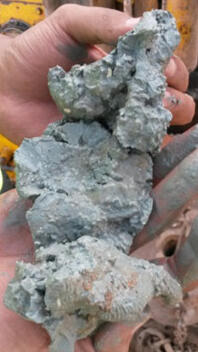
A geological formation consisting of alternating layers of sand, silt, and clay, which were deposited by the sea during periods of high sea level.
The Kallang Formation soil is classified as a sandy loam, which means it has a relatively equal mixture of sand, silt, and clay particles. The sand particles provide good drainage, while the silt and clay particles help to retain moisture and nutrients.
The soil is generally well-drained, which is due to the high permeability of the sand layers in the formation. However, the permeability can also lead to leaching of nutrients, which can affect plant growth. Therefore, regular soil testing and fertilization are important to maintain soil fertility.
The Kallang Formation soil has moderate to high fertility, depending on the level of organic matter present. It is naturally low in organic content, but this can be improved through the addition of organic matter such as compost or manure.
The soil's fertility, combined with its good drainage properties, makes it suitable for a range of agricultural activities, including vegetable farming, fruit cultivation, and ornamental plant production. However, the soil's proximity to the coast makes it susceptible to salinity intrusion, which can affect crop growth and yield. Therefore, proper soil management practices, such as irrigation management, crop rotation, and the use of salt-tolerant plants, are important to maintain soil health and productivity.
In summary, the Kallang Formation soil type is a sandy loam that is relatively well-drained and has moderate to high fertility. It is an important resource for Singapore's agriculture industry, but proper soil management practices are necessary to maintain its productivity and ensure long-term sustainability.
Marine Clay

Marine Clay
Marine Clay
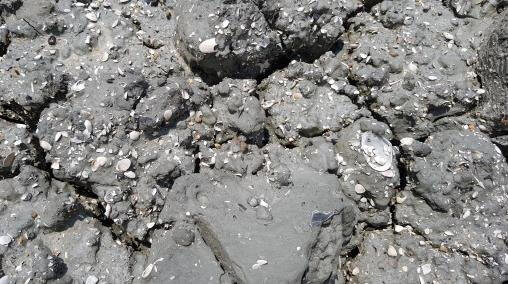
A type of soil that is formed from fine particles of clay and other minerals that settle on the ocean floor. Over time, these particles accumulate and are compacted under the weight of the water above. Marine clay is typically found in coastal areas and is characterized by its high plasticity and low permeability.One of the main characteristics of marine clay is its high plasticity. This means that the soil is highly malleable and can be easily molded and shaped. However, this also means that it has a high shrink-swell potential, which can cause structural damage to buildings and infrastructure built on top of the soil. Additionally, marine clay has a low permeability, which can cause issues with drainage and water retention. Marine clay's high plasticity and low permeability make it difficult to work with during construction. When exposed to air and dried out, marine clay can shrink and crack, causing foundation problems and structural damage to buildings. Additionally, the low permeability of marine clay can lead to water retention and drainage issues, making it susceptible to erosion and landslides. To mitigate these issues, construction projects built on marine clay soil typically require deep foundations or other techniques such as ground improvement methods to stabilize the soil and improve its load-bearing capacity.Despite its challenges, marine clay has several benefits. It is a rich source of minerals and nutrients and can be used to improve the fertility of other soils. It is also an important habitat for marine life, including benthic organisms and fish, and can help to protect coastlines from erosion.Despite its challenges, marine clay has several benefits. It is a rich source of minerals and nutrients and can be used to improve the fertility of other soils. It is also an important habitat for marine life, including benthic organisms and fish, and can help to protect coastlines from erosion.Despite its challenges, marine clay has several benefits. It is a rich source of minerals and nutrients and can be used to improve the fertility of other soils. It is also an important habitat for marine life, including benthic organisms and fish, and can help to protect coastlines from erosion.